
Flooding
Top 5 Causes of Basement Flooding And How to Prevent Them
Basement flooding is a serious concern for many homeowners. Whether it’s caused by heavy rain, structural weaknesses, or plumbing failures, water in the basement can lead to costly damage, mold, and even compromised foundational integrity. Understanding the most common causes, and exactly how to prevent them, is the first step toward safeguarding your home.
In this guide, we’ll break down the top 5 causes of basement flooding and provide practical, actionable prevention strategies backed by expert sources.
Poor Exterior Drainage and Yard Grading
When water isn’t properly channeled away from your home, it will naturally pool around the foundation. This creates pressure and a high risk of seepage into the basement.
Why it happens:
- Soil around a home can settle unevenly, creating troughs that collect water.
- Downspouts may not carry water far enough from the foundation, or gutters may overflow if clogged.
How to prevent it:
- Regrade soil so that it slopes away from your foundation. According to Advanced Disaster
- Recovery Inc, aim for about a 6-inch drop over the first 10 feet from the foundation.
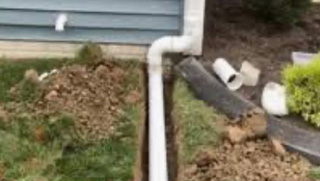
- Extend downspouts so rainwater is discharged at least six feet from the house.
- Consider installing French drains or swales, which reroute runoff before it can build up.
Sump Pump Failure
A sump pump is often the first line of defense against basement flooding, but if it fails, all that protection disappears.
Why it happens:
- The pump motor can burn out or become overwhelmed during heavy rain.
- Discharge lines or the inlet screen can become clogged, stopping water flow.
- Power outages can render an electric pump useless. No backup = major risk.
How to prevent it:
- Test your sump pump regularly (quarterly is a good practice) to make sure it kicks on and off properly.
- Install a battery backup system so it works even when the power goes out.
- Keep a secondary water-powered pump as a fail-safe if you’re in a high-risk area.
Foundation Cracks and Weaknesses
Tiny cracks in foundation walls or floors can become major entry points for water, especially under pressure from above or beneath.
Why it happens:
- Hydrostatic pressure from saturated soil can push water into even hairline cracks.
- Foundations that are not designed to withstand full hydrostatic pressure are particularly vulnerable.
How to prevent it:
- Inspect your basement walls periodically, looking for cracks, damp spots, or signs of water intrusion.
- Seal minor cracks with materials like epoxy, polyurethane foam, or masonry caulk.
- For more serious or structural-level cracks, consider Crawls & Basement Renovations for professional waterproofing or structural repair.
Clogged or Broken Gutters and Downspouts
Gutters and downspouts play a critical role in directing rainwater safely away from your home, but when they don’t work properly, they become one of the top causes of basement flooding.
Why it happens:
- Leaves, debris, and precipitation buildup can clog gutters, causing overflow.
- Downspouts may be incorrectly positioned, or broken, sending water undesirably close to the foundation.
How to prevent it:
- Clean your gutters at least twice a year (spring and fall are common).
- Install gutter guards to reduce debris buildup.
- Ensure downspouts are extended properly and are free from obstructions.
Sewer Backup and Backflow
This is one of the more hazardous causes of basement flooding because it can involve wastewater, not just rain or groundwater.
Why it happens:
- Municipal sewer systems can back up during heavy rainfall, pushing sewage back into homes.
- Tree roots or damaged sewer lines can block flow, causing a backup into your plumbing system.
- Flooding can disturb the scum (floating layer) inside your septic tank, possibly plugging the outlet tee (the pipe that leads to the drain field). When that happens, wastewater has no path forward and backs up.
How to prevent it:
- Install a backwater valve to prevent sewage from flowing backward into your home.
- Regularly inspect your sewer lines for blockages or tree root intrusion.
- Be careful what you flush. Avoid flushing grease, wipes, or other clogging materials.
- Maintain your septic system. Regular pumping and inspections help prevent overfilling and backups.
Bonus Risk: High Groundwater / Hydrostatic Pressure
While not always listed among the “top 5,” a high water table beneath your home can cause persistent seepage and flooding, especially in heavy rain.
Why it happens:
- Saturated soil puts lateral pressure on basement walls and can force water inward.
- Over time, this pressure can stress or crack concrete, creating more risk.
How to prevent it:
- Use a drainage system (like an internal or external French drain) to relieve hydrostatic pressure.
- Ensure you have a sump pump rated for your area’s groundwater volume and install slow, controlled drainage to avoid destabilizing soil. Crawls & Basement Renovations can help you with the appropriate basement waterproofing for your home in Brazil, Indiana.
Conclusion
Basement flooding doesn’t always come from one major event. More often, flooding is the result of everyday factors like clogged gutters, poor grading, small foundation cracks, or a failing sump pump. By addressing the top 5 causes and implementing the practical prevention strategies above, you can significantly reduce your risk of water damage and protect your home for the long run.
If you're unsure where to start, a waterproofing specialist from Crawls & Basement Renovations can evaluate your specific situation and recommend a tailored solution. Investing in prevention now will save you money, stress, and potential structural damage later.
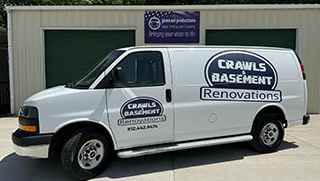
Protect Your Basement from Flooding
A professional evaluation and timely prevention can save you thousands in repairs and protect your home’s foundation.